
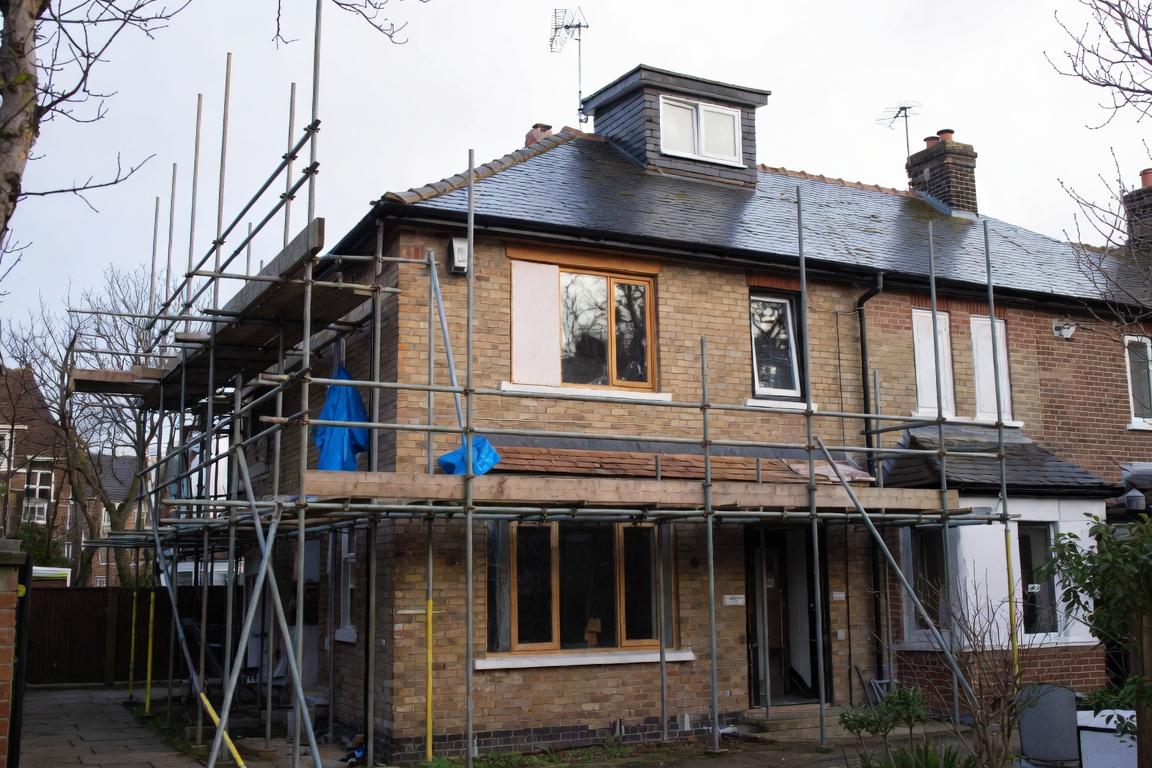
05 Oct How Much Does It Cost to Refurbish a House in Putney?
Quick Answer: The cost to refurbish a house in Putney depends on the property’s size and condition, the extent of the refurbishment, structural changes and the level of specification. Kitchens, bathrooms, plumbing, electrics, joinery and high-spec finishes can all increase the overall budget. For an accurate cost, the property and proposed scope of work should be assessed before a detailed refurbishment quotation is prepared.
The cost to refurbish a house in Putney depends on the size and condition of the property, the extent of the work, any structural alterations and the standard of finishes you choose. A cosmetic update will have a very different budget from a full house renovation involving a new kitchen, bathrooms, electrical rewiring, plumbing, bespoke joinery or an extension.
For homeowners in Putney and South West London, this means there is no single figure that accurately represents every refurbishment project. A realistic budget needs to reflect the existing property, the proposed layout, the work required and the chosen specification.
At Property Eye Building Services (PEBS), we provide building and refurbishment services in Putney, including complete property refurbishments, loft conversions, basement developments, extensions, kitchens, bathrooms, structural works and project management. Assessing the individual property and proposed work therefore provides a much more useful basis for budgeting than relying on a generic refurbishment figure.
Why Can House Refurbishment Costs in Putney Vary So Much?
House refurbishment costs in Putney vary because many factors mean two properties of a similar size can require completely different amounts of work, and Putney typically sits above the UK average because London labour and location costs are higher. Property condition, structural complexity, layout changes, kitchen and bathroom specifications, electrical and plumbing requirements, joinery and the quality of finishes can all change the overall budget.
Some of the biggest cost drivers include:
- Property size: A larger property generally requires more materials, labour and time to complete.
- Existing condition: Damp, damaged plaster, outdated services or structural defects can introduce additional remedial work.
- Extent of refurbishment: Cosmetic upgrades will generally require a smaller budget than a full internal renovation.
- Structural changes: Removing or altering walls can require structural design and additional construction work.
- Specification level: Standard finishes and high-spec finishes can result in very different material and installation costs.
- Kitchens and bathrooms: Cabinetry, worktops, appliances, sanitaryware, tiling and specialist installations can account for a significant part of the budget.
- Plumbing, heating and electrics: Electrical rewiring, heating alterations and plumbing upgrades can substantially increase the scope.
- Bespoke joinery: Fitted wardrobes, storage and custom cabinetry require additional materials and skilled labour.
- Extensions and conversions: A house extension, loft conversion or basement conversion significantly expands the overall project.
In London, location alone can add roughly 20-40% to renovation costs, with Putney often carrying a 15-30% premium over outer London and commuter areas while still generally pricing below prime central boroughs such as Kensington and Chelsea.
For this reason, homeowners researching the cost of house refurbishment in Putney should treat broad renovation figures as initial guidance rather than a substitute for a project-specific quotation.
What Work Is Included in a Full House Refurbishment?
A full house refurbishment can involve stripping out existing interiors and renewing most of the property’s internal spaces and services. Depending on the home renovation project, this may include structural alterations, plumbing and heating, electrical work, plastering, flooring, kitchens, bathrooms, joinery, decorating and project management.
For example, a complete house refurbishment might involve changing the existing layout to create more usable living space, installing a new kitchen and bathroom, upgrading electrical wiring, modifying the heating system and completing new flooring and decoration throughout the property; for budgeting, a full house refurbishment typically costs between £60,000 and £200,000, while the average renovation cost for a 3-bedroom house is £43,530 – £110,350.
A lighter home refurbishment in Putney might retain the existing layout and services while concentrating on cosmetic upgrades such as painting and decorating, flooring and selected kitchen or bathroom improvements.
For broader renovations, the average cost by square metre can range from £700 to £1,400 for light cosmetic work, £1,200 to £2,000 for mid-range schemes and £2,500 to £4,500+ for high-end structural work; in South West London, internal residential refurbishments often fall between £1,400 and £3,500+ per square metre, and larger London projects can exceed £150,000 to £250,000+ depending on scope.
Defining the scope before comparing quotations is important. Two refurbishment contractors may appear to offer very different prices simply because their quotations include different work.
Which Parts of a Putney Renovation Have the Biggest Effect on the Budget?
Structural work, kitchens, bathrooms, building services and high-spec finishes can have a significant effect on the overall renovation cost. These parts of a project often combine specialist labour with substantial material costs, meaning specification decisions can be just as important as the size of the property.
Kitchens
A new kitchen can involve much more than replacing cabinets.
Depending on the project, kitchen installations may include cabinetry, worktops, appliances, plumbing, electrical work, lighting, flooring and decorating. Changing the existing kitchen layout can also require services to be relocated. In the UK, kitchen renovations can range from about £8,000 to £30,000 for simpler replacements, while larger or more bespoke projects typically cost around £24k to £77k.
A premium kitchen with bespoke joinery and high-spec finishes will therefore have different cost implications from a straightforward replacement using the existing layout. Where the project expands into new space, a 4-metre kitchen extension costs around £17,500 on average.
Bathrooms
Bathroom renovation can involve sanitaryware, waterproofing, tiling, plumbing, ventilation, electrical work and heating.
Adding a completely new bathroom may require more work than replacing an existing suite because new drainage, water supplies and electrical services may be necessary.
The number of bathrooms being refurbished will therefore influence the overall house refurbishment cost in Putney.
Plumbing, Heating and Electrics
The condition of existing building services can have a major impact on a renovation budget.
Older electrical installations may require upgrading or electrical rewiring. Plumbing and heating work can include replacing pipework, modifying radiators, upgrading heating controls or installing underfloor heating.
The work required should be determined by the condition of the existing systems and the requirements of the renovation rather than assumed from the property’s age alone.
Flooring, Joinery and Decorating
Flooring costs vary according to the material, preparation required and size of the property.
Joinery can range from relatively straightforward carpentry to bespoke wardrobes, shelving and fitted storage designed specifically for the property.
Decorating costs also depend on preparation. Walls and ceilings requiring repair or plastering need additional work before the final paint finish can be applied.
Do Structural Changes Increase House Renovation Costs?
Yes. Structural alterations can increase house renovation costs because they may require professional design, structural calculations, specialist labour and building control involvement as well as the physical construction work, with architects and engineers often adding around 10% to 15% on top of construction costs.
Opening up an existing layout, for example, may involve removing a load-bearing wall and installing appropriate structural support.
Larger projects can include a house extension in Putney, loft conversion, basement conversion, double storey extensions or significant changes to the existing floor plan.
These projects can create valuable additional living space, but they also increase structural complexity and the number of tradespeople involved.
Extensions and structural alterations may also need to comply with Building Regulations. Planning permission requirements will depend on the type of work, property and location.
These additional considerations mean a straightforward internal renovation and a refurbishment involving extensive structural work should not be expected to have comparable budgets.
Does Refurbishing a Victorian or Edwardian House Require a Different Budget?
A Victorian or Edwardian house refurbishment can require additional budget where the property has ageing services, original features requiring careful treatment or defects that only become visible once work begins. The age of a property does not automatically make refurbishment expensive, but its existing condition should be investigated carefully.
Putney contains a varied range of housing, including Victorian terraces and Edwardian family homes, and East Putney in particular includes Edwardian terraces that often bring added renovation complexity because of their original form and detailing.
The objectives of a period property refurbishment can also differ considerably between homeowners, and the brief for a house refurbishment Putney project may vary just as much.
One owner might want a contemporary internal renovation, while another may want to preserve period features while introducing modern kitchens, bathrooms, heating and improved energy efficiency.
Older properties can also contain previous alterations completed at different points in the building’s history. Opening floors, ceilings or walls during renovation may reveal work that needs attention before the new finishes can be completed.
Understanding the condition of the property before committing most of the budget to visible finishes can therefore help homeowners plan more effectively.
Should You Include a Contingency Budget?
Yes. A contingency budget provides financial capacity for unforeseen work that becomes apparent during refurbishment. This is particularly relevant when renovating an older property because some parts of the building remain hidden until floors, walls, ceilings or previous finishes are opened up.
The appropriate contingency will depend on the complexity of the project and how much is already known about the property.
A detailed survey, clear scope of work and careful planning can reduce uncertainty, but it may not be possible to identify every issue before work begins.
Keeping contingency money separate from the budget allocated to desired upgrades can also make decision-making easier.
If unexpected structural or building-services work becomes necessary, there is less risk of having to remove important elements of the planned refurbishment simply to accommodate the additional work.
Can You Save Money on a House Refurbishment Without Compromising the Project?
One of the most effective ways to control refurbishment costs is to establish the scope and specification before construction begins. Clear decisions about layouts, kitchens, bathrooms, flooring, joinery and finishes make quotations easier to compare and can reduce expensive changes once work is underway.
Cost-effective decisions may include retaining an existing layout where it already works well, prioritising improvements that provide the greatest benefit to your household and deciding carefully where bespoke finishes genuinely add value.
It may also be more efficient to coordinate related trades as part of the same renovation project.
Plumbing, electrical work, plastering, kitchen installations, joinery, flooring and decorating frequently depend on one another, as do other tradespeople involved on site. Good project management helps these stages happen in the appropriate sequence.
The contractor should work closely with the client and any interior designer when specification choices affect cost, programme or sequencing.
Choosing a refurbishment company solely because it provides the lowest initial quotation can also be misleading if important elements have been excluded.
Compare the scope of work, specification and exclusions as well as the overall price.
Do You Need Planning Permission for a House Refurbishment in Putney?
Many purely internal refurbishment works do not require planning permission, but extensions, significant external alterations and work affecting certain protected properties or properties in conservation areas can require additional approval. Building Regulations are separate from planning permission and may apply even where planning permission is not required.
This is particularly relevant for a Putney renovation project because there are conservation areas within the London Borough of Wandsworth. Local logistics, including controlled parking zones around Putney High Street, can also increase project costs and administration.
Some properties may also be subject to additional planning controls.
Before making significant structural or external changes, homeowners should check the requirements that apply to their individual property and proposed work.
Building Regulations can also apply to elements of a refurbishment such as structural alterations, electrical work, drainage, insulation and extensions.
Establishing these requirements during the planning and architectural design stages can help prevent unexpected issues later in the project.
What Should a House Refurbishment Quote Include?
A useful refurbishment quote should clearly define the work included, the agreed specification and important exclusions rather than providing only a headline total. The more clearly the project is defined, the easier it becomes to understand where the budget is being allocated and compare quotations accurately.
Before requesting a refurbishment quote, consider documenting:
- The rooms being refurbished
- Proposed layout changes
- Structural alterations
- Kitchen requirements
- Bathroom installations
- Electrical work
- Plumbing and heating upgrades
- Flooring
- Bespoke or standard joinery
- Painting and decorating
- Extensions or conversions
- Intended specification and finish level
It is also worth establishing how project management, coordination with an interior designer, site preparation, waste removal and specialist trades will be handled, including who is responsible for managing specialist subcontractors, to support outstanding results through clear responsibilities and coordination.
At PEBS, our Putney building services cover projects ranging from internal renovation and individual kitchens and bathrooms to complete house refurbishments, extensions, loft conversions and basement developments.
Having the complete project scope available during the initial consultation makes it easier to discuss the work required and prepare an appropriate quotation.
How Do You Get an Accurate Cost for a House Refurbishment in Putney?
The most reliable way to establish the cost of house refurbishment in Putney is to define your requirements and have the property and proposed work assessed before requesting a detailed quotation. This is especially important on larger London projects, where a whole-house refurbishment can cost roughly £173k to £432k depending on scope and specification. Generic refurbishment costs can be useful during early research, but they cannot account for the condition, structural complexity, layout, specification or location of an individual property, and pricing in London and the South East is typically higher than in many other UK regions.
Start by deciding what you want the renovation to achieve.
Do you want to modernise the existing interior, change the layout to improve usable space, install a new kitchen and bathrooms or undertake a full house renovation?
Are you also considering additional living space through a single-storey extension, double-storey extension, loft conversion or basement development?
Once the scope is clear, the property can be assessed against those requirements.
At Property Eye Building Services, we provide property refurbishment and renovation services in Putney SW15, including complete refurbishments, kitchens and bathrooms, plumbing and heating, electrical work, joinery and flooring, structural renovation, extensions, loft conversions and basement developments, as well as wider energy-efficiency upgrades such as smart ventilation systems.
Whether you are modernising a recently purchased property, planning a Victorian house refurbishment in Putney or combining a full internal renovation with additional living space, defining the scope first allows the budget to be based on the work your property actually requires.
Contact Property Eye Building Services to arrange an initial consultation and request a refurbishment quotation for your Putney property.
Disclaimer: The information in this article is provided as general guidance only. Actual refurbishment costs and project requirements vary according to the property, scope, specification, site conditions and work identified during professional assessment and quotation.