
08 Dec Hampstead Renovations and Extensions How to Choose a Team That Fits the Area
Why Hampstead projects need a more careful approach
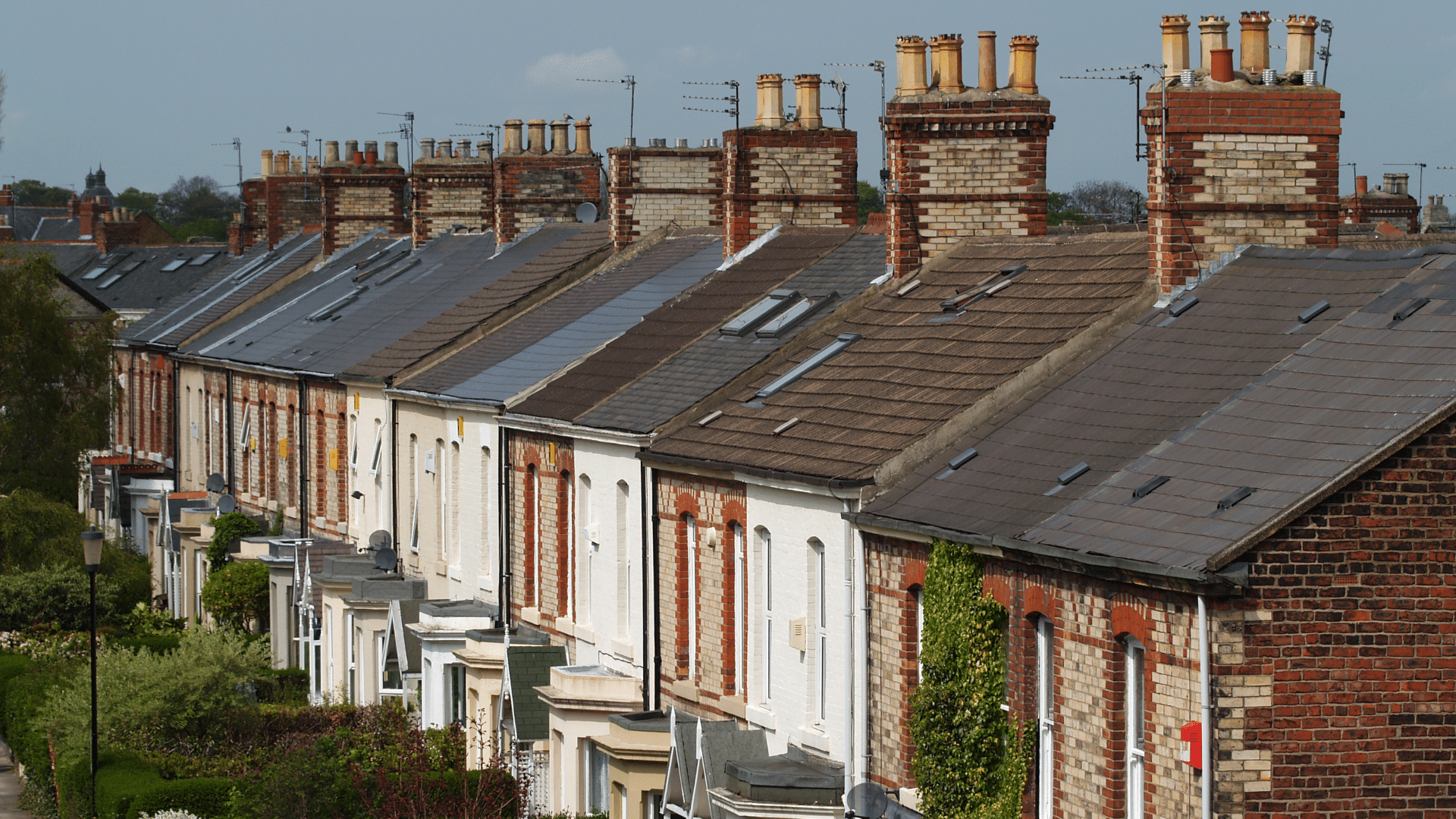
Hampstead is unlike most parts of London to renovate in. The area is filled with historic cottages, Georgian and Victorian villas, mansion flats, and architect designed homes tucked into hillside streets. Many properties sit within conservation zones, and the neighbourhood places a strong value on architectural detail and visual harmony. That makes improvements here rewarding, but it also means projects must be planned with more sensitivity than a typical London refurbishment. If you are upgrading a period home, adding living space, or transforming layouts for modern life, working with Builders Hampstead homeowners trust can protect both your property and the areas character.
Local homes often come with structural complexity beneath the surface. Older roofs may need reinforcement before a loft conversion is viable, basement levels might require specialist waterproofing, and original brickwork or timber can demand restoration rather than replacement. Access is another practical factor. Hampstead streets can be narrow, sloped, and heavily parked, which affects deliveries, scaffolding, and waste removal. Contractors who understand these local conditions will plan more realistically and avoid delays that stem from logistics rather than building work.
Selecting a contractor suited to Hampstead property types
The key to a smooth Hampstead renovation is matching the contractor to your exact scope and property style. For internal upgrades such as reconfiguring rooms, modernising kitchens and bathrooms, or improving insulation and comfort, you want a residential refurbishment specialist who understands period finishes and clean detailing. For loft conversions, rear extensions, or structural alterations, you need a team with proven structural experience, including steelwork, roofing changes, and party wall coordination. If your home is older or listed, prioritise contractors who have restored traditional brick, timber framing, sash windows, and decorative plasterwork, because careless modern methods can damage both appearance and long term value.
A dependable contractor should also explain early which outside professionals are required. Engineers are standard for roof and structural changes. Architects may be needed for planning drawings, especially in conservation areas. Clear coordination at the start reduces delays once approvals and build stages begin.
What a strong build process in Hampstead should look like
Well managed projects in Hampstead begin with a detailed consultation and a serious site visit. Your contractor should ask about how you use your home, what you want to change, and what level of finish you expect. They should also explain feasibility based on your property, including load bearing walls, roof pitch limits, drainage routes, and any constraints linked to conservation guidance. In Hampstead, upfront planning matters more because design quality and approvals often shape the timeline.
During construction, sequencing should be controlled and predictable. Structural work comes first, then plumbing and electrics, followed by plastering and carpentry, and finally finishes and snagging. You should know who manages the site day to day, how progress updates will be shared, and how changes are approved and priced if you want to adjust something mid build. The calmer renovations are usually the ones where communication is constant and decisions are written down.
Understanding Hampstead costs and preventing surprises
Costs in Hampstead tend to sit at the higher end of London averages. This reflects both demand and the complexity of working on period or high specification homes. Your budget will depend on structural ambition, access challenges, and finish level. The best protection you have is a clear itemised quote that lists what is included, what is excluded, and how variations will be handled. That detail matters because most budget issues come from assumptions rather than intent.
Unexpected costs are common in older homes once walls or floors are opened. Damp repair, roof strengthening, timber decay, uneven joists, outdated wiring, or hidden structural alterations may appear. In hillside properties, drainage and waterproofing can also be more demanding. A trustworthy contractor will flag likely risk areas early and advise on a sensible contingency so you stay in control.
How to confirm a contractor is genuinely reliable
Reliability in Hampstead is built on proven work and careful site behaviour. Any reputable firm should provide proof of public liability insurance without hesitation. Trade memberships can help, but recent experience with Hampstead style properties is more important. Ask to see comparable projects, not only a generic portfolio. You are looking for consistency in finish, attention to detail, and respect for original features.
Reviews are most useful when you look for repeated themes. Consistent mentions of tidy sites, predictable timelines, clear communication, and thorough snagging follow up are strong indicators. Ask about aftercare too. Good contractors explain warranty cover, how snagging is handled, and who you contact after completion if any small issues appear.
Planning improvements that suit Hampstead’s future market
Hampstead homeowners increasingly combine heritage respect with modern performance. Many refurbishments now include discreet insulation upgrades, improved glazing, ventilation improvements, and efficient heating systems that reduce running costs without spoiling period character. Smart home integration is also growing, including lighting control, heating automation, and security systems installed during renovation rather than retrofitted later. Contractors familiar with these upgrades can help you modernise quietly and keep your home attractive to future buyers.
Conclusion
Renovating in Hampstead works best when you hire a team that understands the local architecture, conservation expectations, and the practical realities of building in narrow, high value streets. Match the contractor to your scope, insist on clear itemised pricing in writing, and prioritise communication from the first meeting. With the right local specialists, your refurbishment, extension, or loft conversion can run smoothly and add lasting comfort, space, and value to your home.