



01 May How to Modernise a Victorian Conversion Flat in Islington Without Losing Character
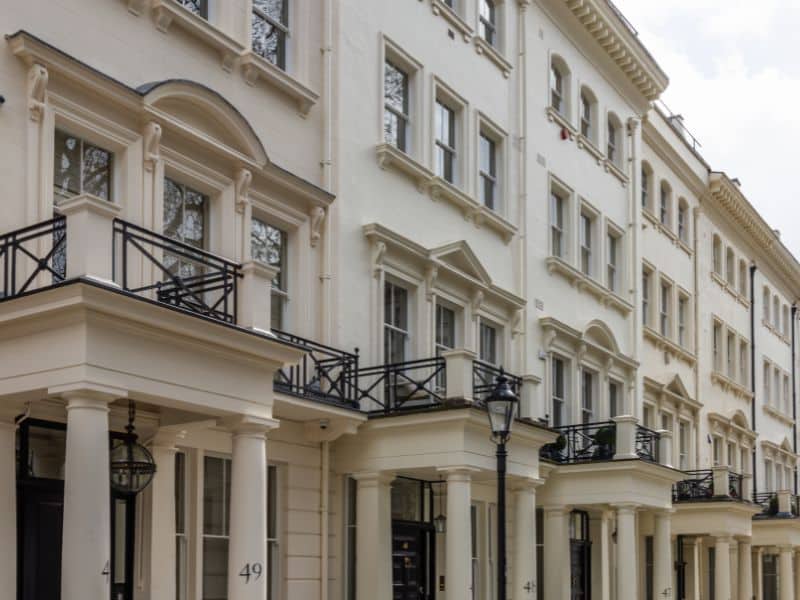
Victorian conversion flats are a huge part of Islington’s identity. Whether you’re living near Angel, tucked away in Canonbury, or just off Upper Street, these homes offer something that newer builds simply can’t replicate, character, proportions, and history.
But they don’t always work for modern life.
Kitchens can feel cramped, layouts can be awkward, and storage is often limited. So the challenge isn’t whether to modernise, it’s how to do it without turning a characterful flat into something that feels generic.
Getting that balance right is what separates a thoughtful renovation from one that misses the mark.
Respecting the Original Character Before Making Changes
The first step in any Victorian flat renovation isn’t about design trends or finishes, it’s about understanding what you already have.
Flats in areas like Barnsbury and Highbury often include original features that are incredibly valuable, both aesthetically and financially. High ceilings, sash windows, fireplaces and decorative cornicing are not just details; they’re part of what makes these homes desirable in the first place.
Removing them or covering them up in the name of modernisation usually has the opposite effect of what homeowners intend.
Instead, the focus should be on restoring and highlighting these features while upgrading everything around them. This approach keeps the identity of the property intact while still improving how it functions day to day.
Working with experienced builders in Islington helps ensure these details are preserved properly rather than accidentally lost during renovation.
Improving the Layout Without Overcomplicating It
One of the biggest frustrations in Victorian conversion flats is the layout. Many were divided decades ago, often with little consideration for how people actually live now.
Rooms can feel disconnected, kitchens are sometimes placed in awkward positions, and natural light doesn’t always flow through the space effectively.
The instinct is often to go fully open-plan, but in a flat, particularly in Islington, that’s not always practical or even necessary.
More subtle changes tend to work better. Opening up a wall slightly, repositioning a doorway, or rethinking how rooms connect can completely change how the space feels without major structural work.
In flats around Essex Road or Canonbury, these kinds of adjustments are often enough to create a more modern, usable layout while still keeping the structure of the home intact.
A skilled Islington building specialist will focus on these smarter changes rather than pushing for unnecessary demolition.
Letting in More Light Without Altering the Exterior
Light is one of the biggest factors in how modern a space feels, and many Victorian flats in Islington can benefit from improvements here.
Front rooms usually have generous windows, but internal areas can feel darker, particularly in lower ground floor flats or properties split across levels.
Because many parts of Islington fall within conservation areas, changing the exterior, such as replacing windows, isn’t always an option.
That’s why internal solutions become more important. Using glass partitions, improving lighting design, and choosing finishes that reflect light can make a noticeable difference without needing to alter the building itself.
The goal is to enhance what’s already there rather than forcing changes that don’t suit the property or local regulations.
Updating Kitchens and Bathrooms in a Way That Fits
Kitchens and bathrooms are where modernisation is most obvious, and in many Victorian flats, they’re the areas that need the most attention.
Older layouts often leave kitchens feeling disconnected from the rest of the flat, while bathrooms can be outdated or poorly configured.
The key is to update these spaces in a way that feels consistent with the rest of the home.
In Islington, particularly around Upper Street and Angel, the most successful renovations tend to combine modern functionality with subtle nods to traditional design. That might mean clean, contemporary cabinetry paired with classic finishes, or modern layouts that still feel in keeping with the age of the property.
A good builder in Islington will understand how to strike that balance so the new elements don’t feel out of place.
Solving Storage Without Sacrificing Space
Storage is one of the biggest practical challenges in conversion flats. Victorian homes weren’t designed with modern storage needs in mind, and when they’re divided into flats, that issue becomes even more noticeable.
Rather than adding bulky furniture, many Islington homeowners choose to build storage into the structure of the flat. Using alcoves, unused corners, and wall space allows you to add practical storage without affecting the overall layout.
In maisonettes, even areas like under-stair spaces can be transformed into useful storage solutions.
These kinds of improvements don’t just make the flat easier to live in, they also make it more appealing to future buyers.
Navigating Islington’s Restrictions and Lease Conditions
Modernising a conversion flat isn’t just about design; there are practical constraints to consider as well.
Depending on your property, you may need permission from the freeholder before carrying out certain works. Lease agreements can limit what changes are allowed, particularly when it comes to structural alterations or changes that affect shared parts of the building.
Planning permission may also be required in some cases, especially if your flat is in a conservation area or if the work impacts the exterior.
Because Islington properties are often closely connected, party wall agreements may also come into play if structural changes are involved.
This is why working with experienced builders based in Islington N1 is so important. They’ll already understand these constraints and help you plan your project accordingly.
Avoiding the Trap of Over-Modernisation
One of the most common mistakes in renovating Victorian flats is going too far.
Stripping everything back, removing original features, and replacing them with ultra-modern finishes can leave the flat feeling disconnected from its surroundings, and often less appealing to buyers.
In Islington, character is part of the value. Areas like Barnsbury and Canonbury are known for their period charm, and buyers expect to see that reflected in the properties.
Modernisation should enhance that, not erase it.
Final Thoughts
Modernising a Victorian conversion flat in Islington is less about transformation and more about refinement.
It’s about improving how the space works, bringing it up to modern standards, and making it more comfortable to live in, all while respecting what made the property special in the first place.
When done well, the result is a home that feels both timeless and functional, something that stands out in one of London’s most competitive property markets.
Thinking About Updating Your Islington Flat?
If you’re planning to modernise your Victorian flat and want advice that’s tailored to your property, speaking to a local expert is the best place to start.
Get in touch today to discuss your plans, explore your options, and take the next step towards creating a space that works for modern living without losing its character.