



11 Mar Modern House Refurbishment Trends Taking Over West London Homes
The Growing Popularity of Home Refurbishments in the UK
Home refurbishment is no longer just about fixing what’s broken. In West London, it has become a lifestyle decision, one that blends design, technology, sustainability, and personal comfort. Over the past few years, homeowners across the UK have increasingly turned to renovation rather than relocation. According to the 2025 UK Houzz & Home Renovation Trends Report, around 51% of UK homeowners renovated their properties in 2024, and renovation spending rose by 26% year-on-year, reaching a median of £21,440.
Why the surge? Well, part of the reason lies in the age of Britain’s housing stock. Many homes in West London, especially Victorian and Edwardian terraces, were built before 1940. These properties possess incredible charm and architectural character, but they also require modern upgrades to meet today’s living standards. Instead of leaving these desirable neighbourhoods, homeowners are investing heavily in refurbishment to adapt their homes to modern lifestyles.
Another driving factor is long-term living plans. Surveys indicate that 61% of homeowners who renovate intend to stay in their property for more than 11 years, meaning they are designing homes that suit evolving family needs rather than quick resale value.
West London’s property market also plays a role. With house prices already among the highest in the UK, moving to a bigger property often isn’t financially practical. Renovation offers a smarter alternative. By transforming existing spaces, whether through loft conversions, smart technology integration, or eco-friendly upgrades, homeowners can significantly increase both comfort and property value without leaving their neighbourhood.
In short, refurbishment has evolved from a maintenance task into a strategic investment. And in West London, the transformation is shaping some of the most exciting residential design trends in the country.
Open-Plan Living and Space Reconfiguration
One of the most noticeable refurbishment trends sweeping across West London homes is the shift toward open-plan living spaces. Traditional British houses were designed with small, compartmentalised rooms, separate dining rooms, kitchens tucked away at the back, and narrow corridors dividing spaces. While charming, this layout often feels restrictive for modern families who prefer bright, connected living environments.
Refurbishment projects are increasingly focused on removing internal walls and creating larger, flowing spaces. By combining kitchens, dining areas, and living rooms into one open area, homeowners create environments that feel both social and spacious. It’s like turning several small puzzle pieces into one large, cohesive picture.
The benefits go far beyond aesthetics. Open layouts maximise natural light, improve airflow, and create a stronger connection between family members. Imagine cooking dinner while chatting with guests in the living room or watching the kids finish homework at the dining table. The home becomes a shared experience rather than a collection of isolated rooms.
The Rise of Multi-Functional Living Spaces
Modern refurbishment isn’t just about openness, it’s about versatility. The shift toward remote work and flexible lifestyles has made multi-functional spaces essential. Rooms now serve multiple purposes throughout the day: a dining room might double as a workspace, while a spare bedroom transforms into a gym or studio.
Designers are responding with clever solutions such as:
- Built-in storage units that hide desks or fold-away beds
- Sliding partitions that separate spaces when needed
- Modular furniture that adapts to different activities
These design strategies allow homeowners to make the most of every square metre, an important consideration in West London, where space is at a premium.
Loft Conversions and Vertical Expansions
When floor space is limited, the only direction left is up. That’s exactly why loft conversions have become one of the most popular refurbishment trends in West London. In fact, data from renovation trend studies shows loft conversions ranking among the most searched home improvement projects in the UK.
Lofts offer an incredible opportunity to expand living space without altering the property’s footprint. For homeowners who want an extra bedroom, home office, or studio, converting the attic can be a cost-effective solution.
Maximising Space in West London’s Period Homes
Many West London houses feature pitched roofs and unused attic areas, making them ideal candidates for conversion. Instead of letting that space collect dust and old storage boxes, homeowners are transforming it into beautiful, functional rooms.
Typical loft conversions include:
| Conversion Type | Key Features | Ideal For |
| Dormer Loft | Vertical walls and large windows | Extra bedrooms |
| Mansard Loft | Flat roof and steep walls | Maximum space |
| Velux Loft | Skylights added without major structural changes | Home offices |
| Hip-to-Gable | Extends roof slope | Larger family rooms |
These conversions can significantly boost property value while maintaining the building’s original character.
Popular Loft Conversion Designs
Design trends within loft conversions emphasise natural light and modern aesthetics. Skylights, glass balustrades, and minimalist interiors create bright, airy spaces that feel far larger than their actual size. Some homeowners even incorporate ensuite bathrooms, turning lofts into luxurious master suites.
Smart Home Technology Integration
Technology is transforming homes faster than ever, and refurbishment projects in West London are embracing this digital evolution wholeheartedly. Smart home systems, once considered luxury add-ons—are now becoming standard features in modern renovations.
From voice-controlled lighting to app-managed heating systems, smart technology allows homeowners to control their environment effortlessly. According to industry trend reports, smart features like app-based heating control, automated lighting, and connected security systems are increasingly common in UK home refurbishments.
Intelligent Lighting, Heating, and Security
Smart lighting systems allow homeowners to adjust brightness, colour temperature, and scheduling with a smartphone or voice command. Heating systems can learn household routines, automatically adjusting temperatures to maximise comfort while reducing energy consumption.
Security systems are also becoming smarter. Modern homes often include:
- Video doorbells
- Smart locks
- Motion sensors
- Remote surveillance cameras
These features provide peace of mind while also adding value to the property.
App-Controlled Living for Modern Families
Imagine leaving the office and turning on your home heating before you arrive. Or dimming the lights and starting your favourite playlist with a simple voice command. Smart home integration is designed to make everyday life easier, more efficient, and surprisingly enjoyable.
Sustainable and Eco-Friendly Refurbishments
Sustainability is no longer optional in modern refurbishment, it’s becoming a central design principle. With rising energy costs and growing environmental awareness, homeowners are prioritising eco-friendly upgrades.
Energy-efficient renovations often include:
- Improved insulation
- Double or triple-glazed windows
- Solar panels
- Heat pumps
These upgrades reduce energy consumption while improving indoor comfort.
Energy-Efficient Upgrades and Insulation
Studies suggest that retrofitting homes with better insulation and efficient windows can significantly cut energy use and carbon emissions. In London housing studies, improvements like loft insulation and double glazing have shown potential to save around £800 per year on energy bills for an average household.
Sustainable Materials and Low-Impact Design
Beyond energy systems, homeowners are also choosing environmentally friendly materials such as reclaimed wood, bamboo flooring, and low-VOC paints. These materials reduce environmental impact while creating warm, natural interiors.
Luxury Kitchens as the Heart of the Home
If there’s one space where homeowners are willing to invest heavily, it’s the kitchen. Modern refurbishment projects are transforming kitchens into multifunctional hubs that combine cooking, entertaining, and socialising.
Large kitchen islands, integrated appliances, and bespoke cabinetry are now common features. These kitchens often incorporate:
- Hidden storage solutions
- Integrated smart appliances
- Stone or quartz countertops
The goal is simple: create a space that is both highly functional and visually stunning.
Spa-Style Bathrooms and Wellness Spaces
Bathrooms are evolving from purely functional spaces into personal wellness retreats. Inspired by luxury hotels and spas, homeowners are redesigning bathrooms to create calm, relaxing environments.
Common upgrades include rain showers, freestanding bathtubs, heated floors, and mood lighting. Wellness-focused homes are also gaining popularity, with design trends integrating elements that support relaxation and mental well-being.
Recent design insights highlight a growing focus on “invisible wellness,” where features such as circadian lighting, air-purifying materials, and acoustic treatments enhance wellbeing without obvious gadgets.
Projects Across West London
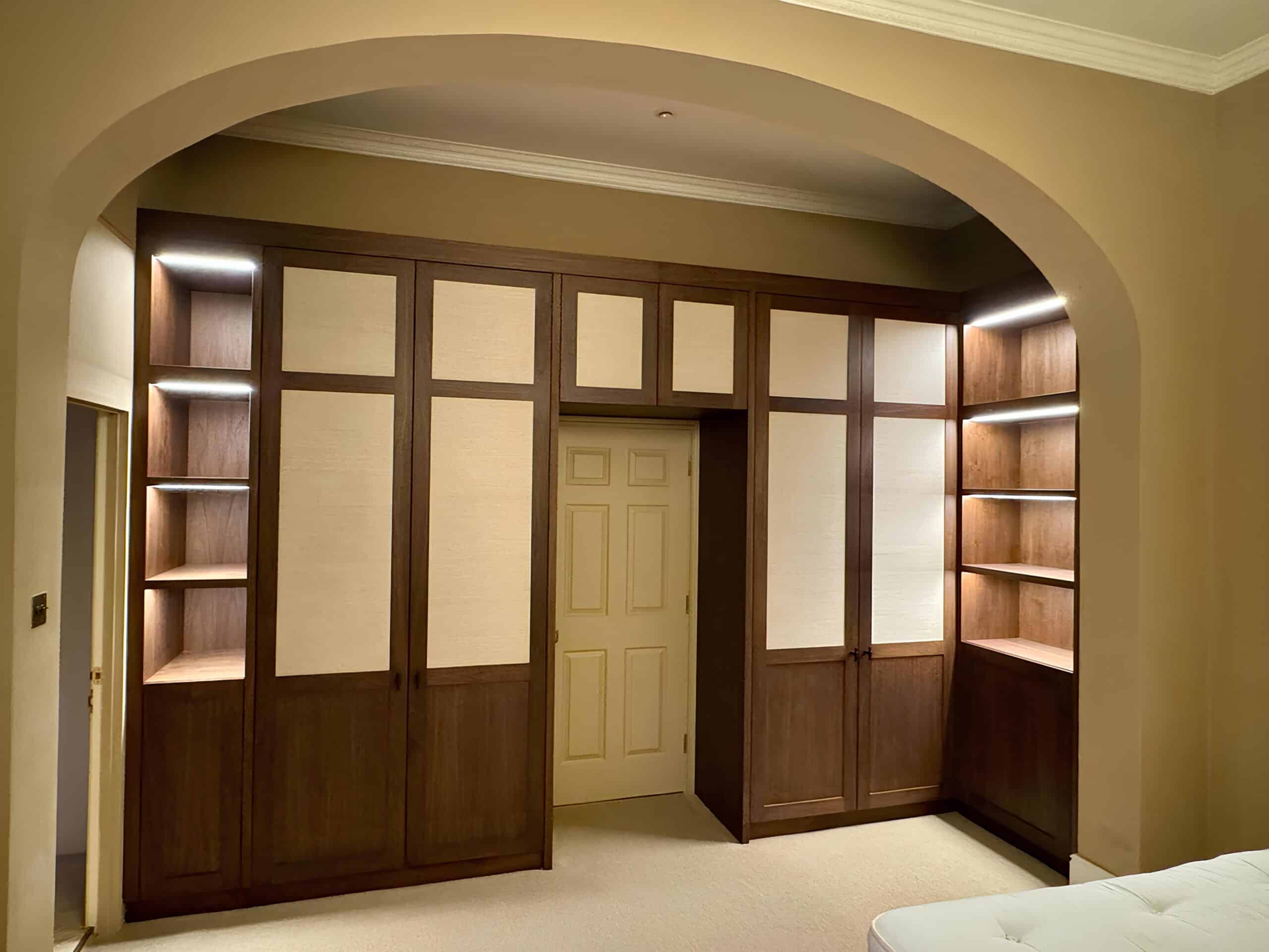
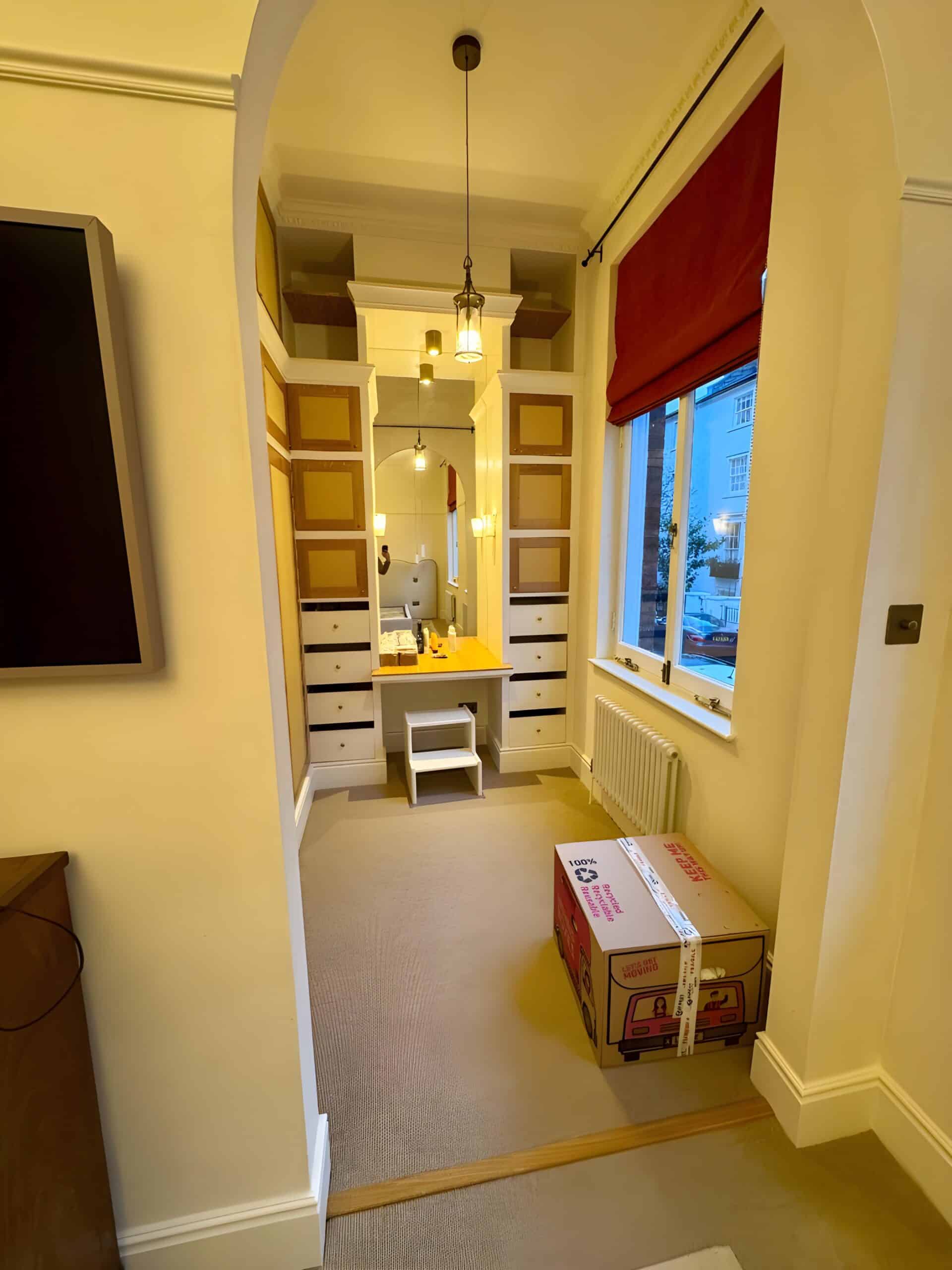
We have successfully completed a wide range of projects across West London, delivering high-quality workmanship and reliable results for our clients. Our portfolio includes completed projects in Westminster, Ealing, Hammersmith, Kensington, and Chelsea, where we have worked on a variety of residential and commercial properties. With a strong understanding of the local architecture and client expectations in these areas, our team consistently delivers projects that combine quality, efficiency, and attention to detail.
Biophilic Design and Nature-Inspired Interiors
Modern refurbishment trends increasingly emphasise biophilic design, a concept that connects indoor spaces with nature. Natural materials, indoor plants, and large windows help create calming environments that improve wellbeing.
Designers often incorporate:
- Wooden finishes
- Natural stone surfaces
- Indoor greenery
- Earth-toned colour palettes
These elements soften the urban feel of city homes and create a peaceful sanctuary inside.
Outdoor Living and Garden Transformations
Outdoor space has become one of the most valuable assets in West London homes. As a result, refurbishment projects increasingly extend living areas into gardens and terraces.
Landscaping projects have surged in popularity, with 21% of UK homeowners planning garden improvements, making it one of the most common home upgrades.
Garden Offices and Year-Round Entertaining Spaces
Garden rooms are particularly popular. These small, insulated structures can serve as home offices, gyms, art studios, or guest rooms. With high-speed internet and heating systems, they provide functional workspaces separate from the main house.
Outdoor kitchens, pergolas, fire pits, and weatherproof seating areas are also becoming common features. These upgrades turn gardens into year-round entertaining spaces rather than seasonal afterthoughts.
Conclusion
West London homes are undergoing a remarkable transformation. Instead of simply preserving historic properties, homeowners are blending tradition with modern innovation to create living spaces that reflect contemporary lifestyles.
From loft conversions and open-plan living to smart technology and eco-friendly upgrades, refurbishment trends are redefining how people live in one of London’s most desirable areas. The focus is clear: maximise space, enhance comfort, improve sustainability, and create homes that adapt to modern life.
The result? Houses that maintain their architectural heritage while offering all the conveniences of a modern, future-ready home.
FAQs
1. Why are refurbishments more popular than moving in West London?
High property prices and limited housing availability make moving expensive. Renovation allows homeowners to upgrade their existing homes while staying in desirable neighbourhoods.
2. What is the most popular refurbishment project in London homes?
Loft conversions, kitchen upgrades, and garden transformations are among the most popular renovation projects.
3. Do refurbishments increase property value?
Yes. Well-designed renovations, especially kitchens, bathrooms, and extensions, can significantly increase a property’s market value.
4. Are eco-friendly renovations worth the investment?
Absolutely. Energy-efficient upgrades reduce utility bills and improve comfort while also increasing property appeal.
5. How long does a typical house refurbishment take?
It depends on the scale of the project. Small renovations may take a few weeks, while full home refurbishments can take several months.