
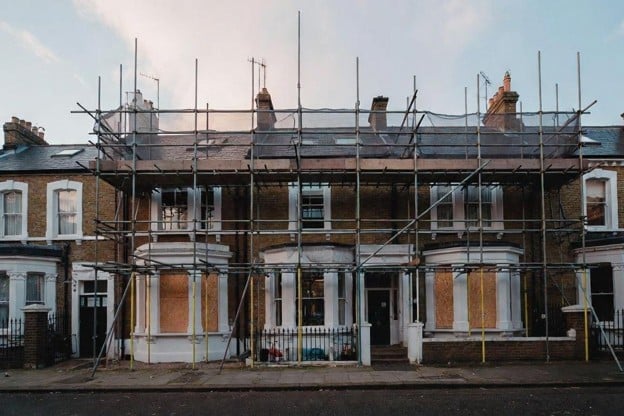
30 Jul Property Refurbishment in London: Checklist for Victorian Terrace Homeowners
Are you planning a property refurbishment in London for your Victorian terrace? Whether you’re in Fulham (SW6), Kensington (W8), Richmond (TW9) or Chelsea (SW3), refurbishing an older London home comes with unique considerations that can affect your budget, timeline and the finished result. At PEBS, we’ve completed property refurbishment projects across a wide range of period homes in London, so we understand the planning requirements, structural challenges and design opportunities that come with renovating London’s character properties.
Check Planning Rules Before You Start
Understand your property’s status. Many Victorian terraces across Kensington, Chelsea, Richmond and other London boroughs fall within conservation areas. While internal refurbishment often doesn’t require planning permission, external changes such as replacing windows, altering brickwork or changing the façade may require approval from your local authority.
Don’t overlook building regulations. If your refurbishment includes removing walls, creating open-plan living spaces or installing structural steelwork, Building Regulations approval will almost certainly be required. This ensures your home remains safe and compliant.
Consider party wall requirements. Victorian terraces typically share walls with neighbouring properties. If your refurbishment affects these walls or involves excavation near adjoining buildings, you’ll likely need to follow the Party Wall Act, etc. Act before work begins.
Starting with the right advice can prevent costly delays later. PEBS manages every stage of property refurbishment in London, helping homeowners navigate planning requirements alongside the construction work itself.
Budget for the Hidden Challenges of Victorian Homes
Expect unexpected discoveries. One of the biggest differences between refurbishing a Victorian property and a modern house is what lies beneath the surface. Older homes frequently reveal outdated wiring, ageing plumbing, timber decay or uneven floors once work begins.
Allow a sensible contingency. A contingency budget of around 10–15% is sensible for period properties. This provides flexibility should hidden issues need addressing without delaying the project.
Think beyond the cosmetics. While new kitchens, bathrooms and decorating transform a property visually, it’s often worth investing in upgrades to insulation, heating systems and electrical installations at the same time. Completing these works together is typically more cost-effective than returning to them later.
Many homes throughout Fulham, Hammersmith and Notting Hill retain original features that deserve careful restoration rather than replacement, helping preserve the property’s character while improving everyday living.
Plan Access, Deliveries and Your Project Timeline
London logistics matter. Unlike rural refurbishments, projects across Central and West London require careful planning around parking restrictions, Controlled Parking Zones (CPZs) and limited delivery access. Narrow residential streets can affect material deliveries and waste removal if they’re not scheduled properly.
Work around occupied homes. Many homeowners remain in the property during refurbishment. Planning works room by room, where practical, can help reduce disruption and maintain essential facilities throughout the project.
Coordinate every trade. Successful refurbishments rely on electricians, plumbers, decorators, flooring specialists and builders working to a coordinated programme. Poor scheduling can quickly lead to delays and additional costs.
Choosing an experienced company to oversee your property refurbishment means every stage is carefully managed, from initial preparation through to the finishing touches.
Choose a Refurbishment Specialist Who Understands London Homes
Experience with period properties. Victorian terraces often feature chimney breasts, suspended timber floors, ornate cornicing and ageing structural elements that require specialist knowledge. An experienced refurbishment company understands how to modernise these homes while respecting their original character.
One dedicated project team. Rather than coordinating multiple contractors yourself, working with one experienced refurbishment company provides a single point of contact throughout the project. Communication is clearer, scheduling is more efficient and quality remains consistent.
Focus on long-term value. A well-planned refurbishment doesn’t simply improve appearance. It enhances functionality, increases energy efficiency and can significantly boost the property’s value. Quality workmanship also helps minimise future maintenance costs, making your investment work harder over the long term.
Whether you’re modernising a family home in Richmond, updating a Victorian terrace in Fulham or renovating a townhouse in Chelsea, choosing the right team can make all the difference. PEBS delivers tailored London property refurbishment projects that balance modern living with the unique character of London’s homes.
Start Your London Refurbishment with Confidence
Refurbishing a Victorian terrace requires more than selecting finishes and fixtures. Understanding local planning requirements, budgeting realistically and working with an experienced refurbishment specialist helps ensure your project stays on track from beginning to end.
At PEBS, we’ve helped homeowners across Kensington, Chelsea, Fulham, Richmond and the surrounding London postcodes transform period properties into beautiful, practical homes while respecting their original features. If you’re planning a refurbishment, visit our contact page to discuss your project with our experienced team.