
24 Apr The Benefits of Engineered Wood Flooring for Modern Builds
Why Modern Homes Demand Smarter Flooring Choices
Modern builds are designed with efficiency, comfort, and style in mind, and flooring plays a much bigger role in that equation than most people realise. It’s no longer just about covering the ground; it’s about creating a surface that works with heating systems, handles daily wear, and still looks exceptional years down the line. Think about how homes have evolved—open-plan layouts, large windows, and underfloor heating are now standard features. Traditional flooring materials often struggle to keep up with these changes.
This is where Engineered Wood Flooring comes into its own. It offers the warmth and character of real timber while solving many of the practical issues that modern homes face. Buyers and homeowners today want materials that are not only visually appealing but also reliable in different conditions. Whether it’s fluctuating temperatures, increased foot traffic, or moisture-prone areas, flooring needs to perform without constant maintenance or replacement. Engineered wood answers that need in a way that feels both natural and forward-thinking.
What Is Engineered Wood Flooring?
Engineered wood flooring might sound technical, but the concept is actually quite straightforward. Instead of being made from a single piece of timber like traditional hardwood, it consists of multiple layers bonded together. The top layer is real hardwood, giving it the same authentic appearance as solid wood, while the core layers provide strength and stability.
Structure and Composition Explained
The layered construction is what makes engineered wood so effective. Each layer is arranged in a way that balances natural movement, meaning the floor is less likely to expand or contract with changes in temperature or humidity. This design is particularly beneficial in modern homes, where central heating and insulation can create varying indoor conditions throughout the year.
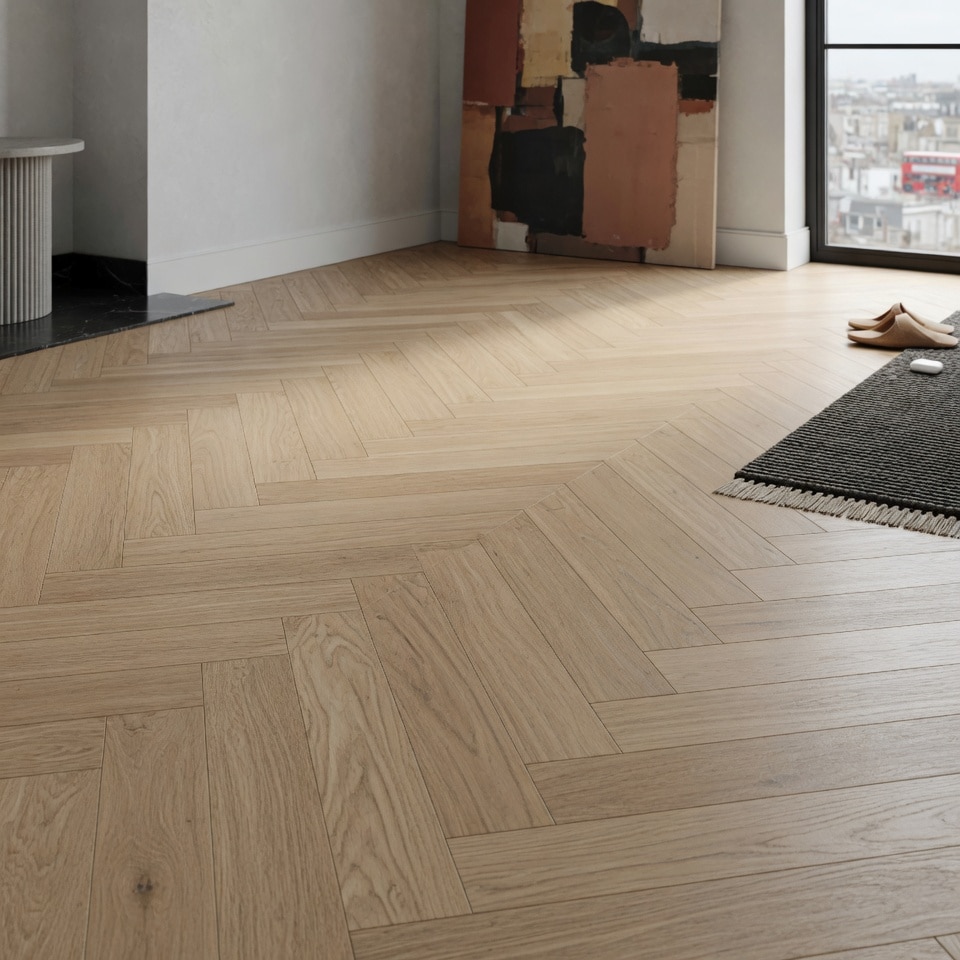
What’s interesting is that this structure doesn’t compromise on appearance at all. The top veneer is genuine wood, so visually, it’s almost impossible to distinguish from solid hardwood. You get the same grain patterns, textures, and natural beauty, but with a more advanced foundation underneath. It’s like having the best of both worlds—traditional charm combined with modern engineering.
Aesthetic Appeal Without Compromise
One of the biggest reasons people choose engineered wood flooring is its ability to deliver a high-end look without limitations. The natural wood surface creates a sense of warmth and authenticity that synthetic materials simply can’t replicate. Walk into a room with wood flooring, and it immediately feels more inviting, more refined, and more complete.
Real Wood Look with Modern Flexibility
What makes engineered wood particularly appealing is its versatility in design. It comes in a wide range of finishes, colours, and plank sizes, allowing homeowners to tailor the look to their space. Whether you’re aiming for a sleek contemporary interior or something more rustic, there’s an option that fits perfectly.
This flexibility is especially valuable in modern builds, where design trends can vary significantly. Large, open spaces benefit from wide planks that enhance the sense of scale, while smaller rooms can use lighter tones to create a brighter, more spacious feel. The flooring becomes a foundation for the entire interior design, tying everything together in a subtle yet impactful way.
Superior Stability in Changing Conditions
Modern homes often experience fluctuations in temperature and humidity, especially with the widespread use of central heating and insulation. Traditional solid wood can struggle in these conditions, leading to issues like warping, gaps, or swelling. Engineered wood flooring, however, is specifically designed to handle these challenges.
Why It Performs Better Than Solid Wood
The multi-layered construction significantly reduces movement within the planks. This means the flooring stays stable even when environmental conditions change. It’s a practical solution for homes where consistency is key, particularly in areas like kitchens or living spaces that see a lot of activity.
This stability also contributes to the longevity of the flooring. When materials don’t expand and contract excessively, they maintain their structure and appearance for longer. For homeowners, this translates into fewer repairs and a floor that continues to look great over time.
Ideal for Underfloor Heating Systems
Underfloor heating has become a standard feature in many modern builds, offering efficient and evenly distributed warmth. However, not all flooring types are compatible with this system. Solid wood, for example, can struggle with the heat, leading to cracking or distortion.
Engineered wood flooring is specifically suited to this environment. Its structure allows heat to pass through efficiently while maintaining its shape and integrity. This makes it an excellent choice for homeowners who want both comfort and durability.
The combination of underfloor heating and wood flooring creates a living space that feels luxurious and practical at the same time. It’s warm underfoot, visually appealing, and designed to perform consistently, even with daily use.
Durability for Everyday Living
Modern homes are busy spaces, and flooring needs to withstand everything from foot traffic to furniture movement. Engineered wood is built with durability in mind, making it suitable for both residential and commercial environments. Its layered construction adds strength, reducing the risk of damage over time.
This durability doesn’t mean sacrificing style. The surface remains elegant and natural, even after years of use. It’s a balance that many homeowners are looking for—something that looks premium but doesn’t require constant care or replacement.
Moisture Resistance for Practical Spaces
One of the standout benefits of engineered wood flooring is its ability to handle moisture better than solid wood. While it’s not completely waterproof, it is far more resistant to humidity and spills, making it suitable for areas like kitchens and hallways.
This added resistance expands the possibilities for where wood flooring can be used. Instead of limiting it to living rooms or bedrooms, homeowners can enjoy a consistent look throughout the entire property. That continuity enhances the overall aesthetic and makes the space feel more cohesive.
Cost-Effective Without Losing Luxury
Budget is always a consideration, especially in new builds or renovations. Engineered wood flooring offers a more affordable alternative to solid hardwood while still delivering a premium appearance. This makes it an attractive option for those who want quality without overspending.
The cost-effectiveness doesn’t stop at the initial purchase. Its durability and low maintenance requirements mean fewer long-term expenses. It’s an investment that continues to pay off over time, both in terms of performance and visual appeal.
Quick and Flexible Installation
Time is often a critical factor in modern construction projects. Engineered wood flooring is designed to be installed efficiently, with many systems featuring click-fit mechanisms that simplify the process. This reduces installation time and labour costs, making it a practical choice for builders and homeowners alike.
The flexibility in installation methods also means it can be used on various subfloors, including concrete. This adaptability is particularly useful in modern builds, where construction methods can vary.
Perfect Fit for Contemporary Architecture
Modern architecture often focuses on clean lines, open spaces, and minimalistic design. Engineered wood flooring complements this style perfectly. It adds warmth and texture without overwhelming the space, creating a balanced and inviting environment.
It’s also versatile enough to work with different design elements, from industrial features to Scandinavian-inspired interiors. The flooring becomes a subtle yet essential part of the overall aesthetic, enhancing the space without dominating it.
Sustainability and Responsible Living
Sustainability is becoming increasingly important in construction and interior design. Engineered wood flooring uses less solid timber than traditional hardwood, making it a more resource-efficient option. This aligns with the growing demand for environmentally conscious building materials.
At the same time, it still provides the natural beauty of real wood, allowing homeowners to enjoy a high-quality finish while making a more responsible choice. It’s a balance that resonates with modern buyers who value both style and sustainability.
Conclusion
Engineered wood flooring offers a compelling combination of beauty, practicality, and performance, making it an ideal choice for modern builds. From its stability and durability to its compatibility with underfloor heating, it addresses the challenges that contemporary homes face while maintaining the timeless appeal of real wood.
For homeowners and developers alike, it represents a smart investment—one that enhances both the functionality and value of a property. If you’re considering upgrading your space, exploring options like Engineered Wood Flooring can help you achieve a finish that feels both modern and enduring.
FAQs
Is engineered wood flooring real wood?
Yes, it features a top layer of genuine hardwood, giving it the same appearance as solid wood.
Can engineered wood flooring be used with underfloor heating?
Yes, it is specifically designed to work well with underfloor heating systems.
Is it more durable than solid wood?
In many cases, yes. Its layered construction makes it more resistant to changes in temperature and humidity.
Can it be installed in kitchens?
Yes, its moisture resistance makes it suitable for kitchens and other high-use areas.
How long does engineered wood flooring last?
With proper care, it can last several decades, depending on the quality of the product.