
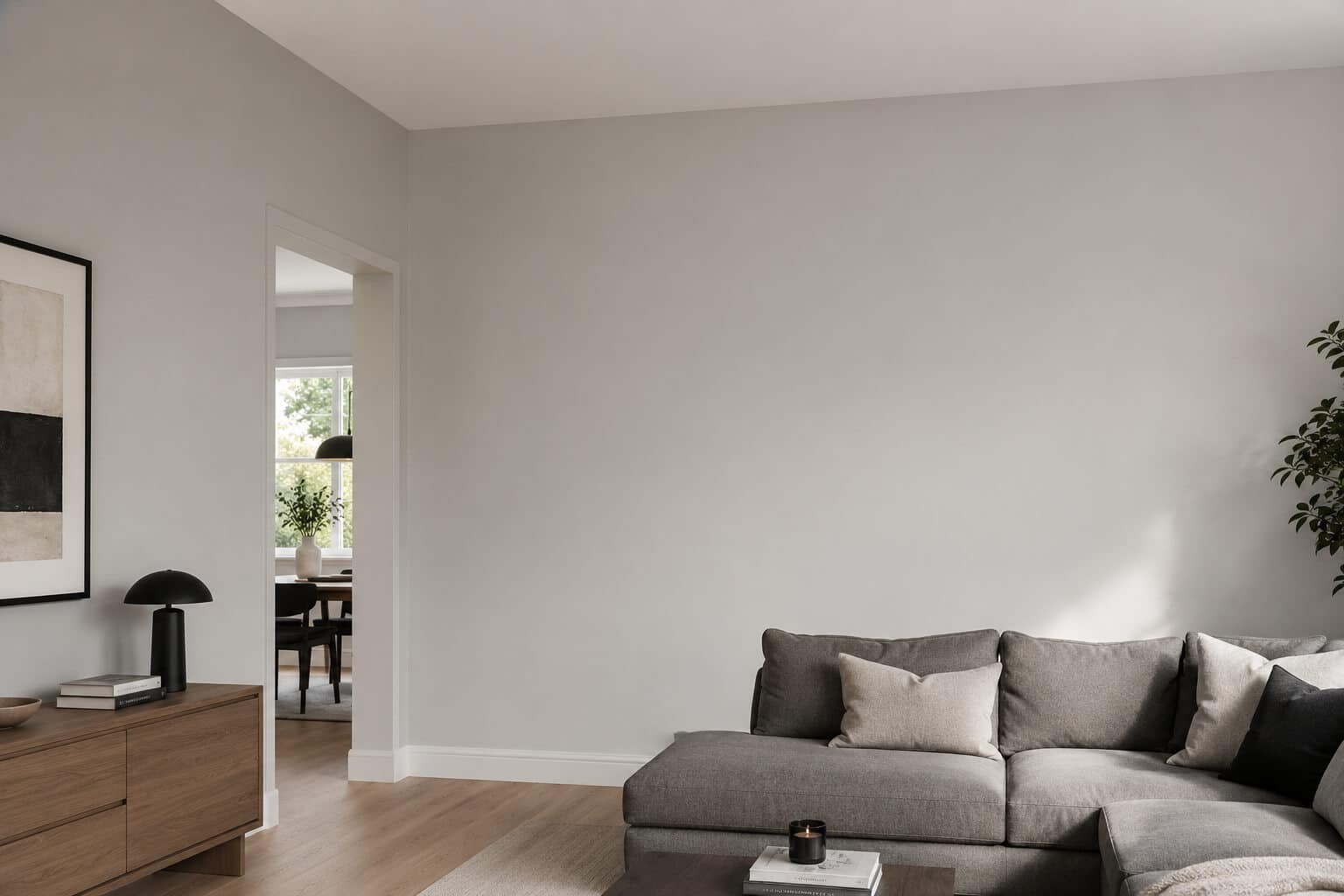
25 May What Is Emulsion Paint? Is It Water-Based?
If you are planning a decorating project, you have probably come across the term ’emulsion paint’. It is one of the most commonly used paints for interior walls and ceilings, but many homeowners still ask the same question: What is emulsion paint, and is it water-based?
The simple answer is yes. Emulsion paint is a water-based paint made using acrylic or vinyl resins suspended in water. Unlike oil-based paints, which use solvents and alkyd resins, emulsion paint is designed primarily for interior use and offers a quicker, cleaner and more user-friendly decorating experience.
Because emulsion paint is water-based, it dries faster, produces less odour and is much easier to clean up after use. This makes it one of the best paint options for modern homes, commercial spaces and large painting projects where practicality matters just as much as appearance.
Why Is Emulsion Paint So Popular?
Interior emulsion paints have become the standard choice for painting interior walls because they combine durability, affordability and ease of use.
Unlike oil-based paints, emulsion paints are:
- Low odour
- Quick drying
- Easy to clean with water
- Available in a huge range of colours
- Suitable for walls and ceilings
Modern emulsion paint also contains lower VOC levels, making it a more environmentally friendly option for homes and workplaces.
Another major benefit is that emulsion paint is porous, which allows moisture to escape from walls. This can help reduce dampness and mould, particularly in kitchens, bathrooms and other high moisture environments.
What Is the Difference Between Emulsion Paint and Normal Paint?
Many people refer to all decorating products simply as “paint”, but different types of paint are designed for different surfaces.
Emulsion paint is designed strictly for interior walls and ceilings, while masonry paint contains additives that help resist exterior weather conditions.
Oil based paints are typically used for surfaces such as:
- Skirting boards
- Doors
- Woodwork
- Exterior use applications
Emulsion, on the other hand, is primarily used for:
- Living rooms
- Bedrooms
- Hallways
- Kitchens
- Bathrooms
- Commercial spaces
Unlike oil based paints, emulsion paint offers easier cleaning, faster drying times and a much lower odour, making it far more practical for indoor decorating.
The Different Types of Emulsion Paint
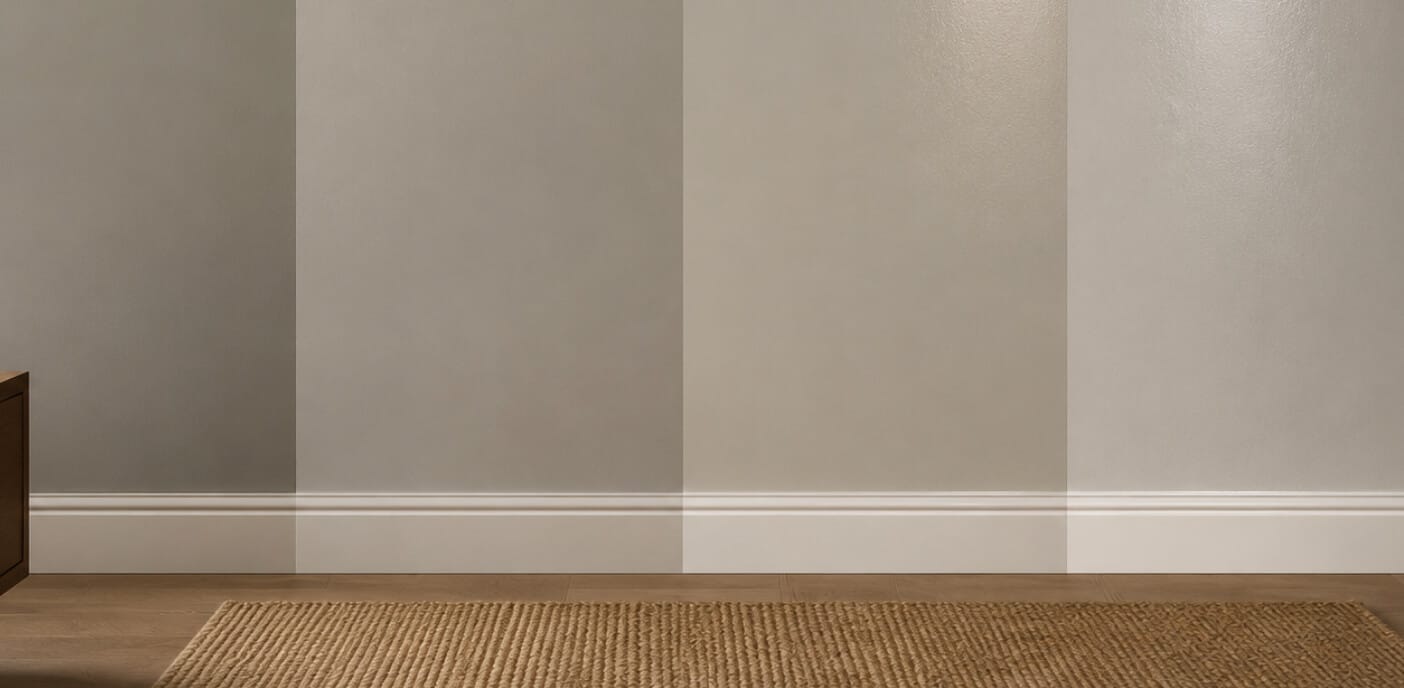
There are several different types of emulsion paint available, and the finish you choose can completely change the look and feel of a room.
Matt Emulsion Paint
Matt emulsion paint creates a flat, non reflective finish that works beautifully in modern interiors. Because matt paint absorbs light rather than reflects it, it is excellent at helping hide imperfections on walls.
This makes matt emulsion paint particularly popular in:
- Living rooms
- Bedrooms
- Ceilings
- Older properties with uneven walls
A matt finish creates a softer and more contemporary look, especially when paired with bold colours or earthy colour schemes.
While matt paint offers a sophisticated non shiny finish, it can sometimes be slightly less durable than glossier types and may show marks more easily in high traffic areas.
Silk Emulsion Paint
Silk emulsion paint has a more reflective finish with a subtle mid sheen appearance. Because silk emulsion reflects light around the room, it can make smaller spaces feel brighter and more open.
Silk emulsion paint is also more durable and easier to wipe clean with a damp cloth, making it ideal for busy homes.
Silk paint is commonly used in:
- Children’s bedrooms
- Kitchens
- Bathrooms
- Hallways
- High traffic areas
However, because silk emulsion has a reflective finish, it can sometimes highlight imperfections on the surface underneath.
Soft Sheen and Satin Emulsion
Soft sheen emulsion paint, sometimes called satin emulsion, sits somewhere between matt and silk finishes.
It offers:
- A softer reflective finish than silk
- Higher durability than matt
- Better moisture resistance
- Easier cleaning
Soft sheen paint is a popular choice for modern family homes because it balances practicality with a softer aesthetic.
Eggshell Emulsion Paint
Eggshell emulsion paint has a subtle finish that resembles the surface of an eggshell. It provides a touch more sheen than matt paint while maintaining a softer overall appearance than silk emulsion.
This type of interior paint is often chosen for elegant interiors where homeowners want a refined but durable paint finish.
Which Emulsion Paint Finish Is Best?
The right paint depends on the room, the surface condition and the overall style you want to achieve.
Matt emulsion paint is often the best choice for living rooms and bedrooms because it creates a calm, modern atmosphere while helping hide imperfections.
Silk emulsion paint works particularly well in bathrooms and kitchens thanks to its moisture resistance and easy cleaning properties.
Soft sheen and satin emulsion finishes are ideal if you want a balance between durability and a softer professional finish.
For decorative spaces or lower traffic areas, eggshell emulsion can create a more premium appearance without looking overly glossy.
Is Emulsion Paint Durable?
Modern emulsion paint formulas are far more durable than many people realise. High quality interior emulsion paints can last up to 10 years depending on the quality of the product, preparation and maintenance.
Many durable paints are now washable and specifically designed for easy cleaning, making them ideal for family homes and commercial spaces.
Specialist emulsion paint formulas are also available for kitchens and bathrooms. These often include additives such as fungicides or mildewcides to improve moisture resistance and help prevent mould growth.
While oil based paints may still offer higher durability for some woodwork and exterior use applications, emulsion remains the best paint option for most interior walls and ceilings.
How to Apply Emulsion Paint Correctly
Achieving a professional finish starts with proper preparation.
Before painting interior walls, it is important to clean the surface thoroughly. Dirt and grease can affect adhesion and ruin the final paint finish.
Furniture should be moved or protected, and floors covered before starting the project.
If you are painting onto fresh plaster, a mist coat should always be applied first. This seals the porous surface and helps the first coat of emulsion bond correctly.
Professional painters usually begin by cutting in around edges, ceilings and skirting boards with a brush before using a roller across larger wall areas. This creates a much more even finish.
For the best results, most painting and decorating projects require:
- 2–3 coats of emulsion paint
- Proper drying time between coats
- Consistent roller application
- Careful preparation beforehand
Because emulsion paint is quick-drying, multiple coats can often be completed within the same day.
How Long Does Emulsion Paint Last?
Once applied, emulsion paint can remain in excellent condition for many years.
Good quality paint may last up to 10 years depending on:
- The quality of the paint
- The room conditions
- Cleaning and maintenance
- Surface preparation
Even unopened tins of emulsion paint can last up to 10 years if stored correctly in cool, dry conditions.
Final Thoughts
So, what is emulsion paint?
Emulsion paint is a water-based interior paint made using acrylic or vinyl resins. It is designed for interior walls and ceilings and has become one of the most popular decorating products thanks to its low odour, quick drying nature and wide range of finishes.
Whether you choose matt emulsion paint for its non-reflective finish, silk emulsion paint for its durability and easy cleaning, or satin emulsion for a softer sheen, there is a type of emulsion paint suitable for every room and every style.
Choosing the right paint can completely transform a space, helping you create a professional finish that looks great and lasts for years.