24 Jun Will a Loft Extension Add Value to Your London Property?
If you’re asking yourself, will a loft extension add value to your London property? You’re not alone. With property prices remaining high across North London, South West London and the wider South East, many homeowners are investigating how to increase their property’s value without the expense of moving house.
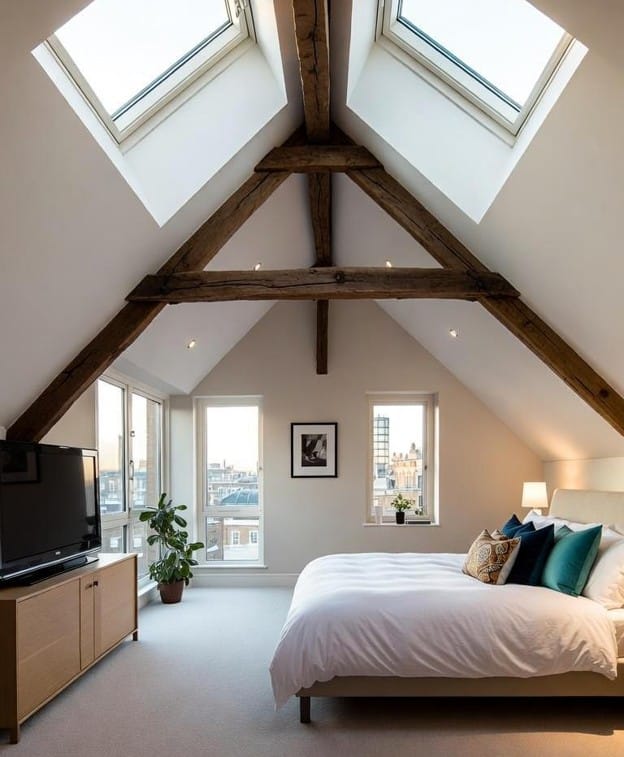
A loft conversion is often one of the first improvements people consider. Transforming unused loft space into an extra bedroom, home office or additional living space can create more space for growing families while potentially increasing a property’s value.
However, while a loft conversion can add value, it is important to remember that buyers rarely judge a house on square footage alone. The condition of the kitchen, bathrooms, decoration, flooring, roof and overall maintenance can have just as much impact on value as the creation of extra living space.
At PEBS, we regularly help London homeowners improve their properties through refurbishment, maintenance and renovation projects. While a loft conversion adds usable space, we often find that combining it with professional refurbishment delivers the strongest return on investment.
How Much Value Does a Loft Conversion Add?
One of the most common questions we hear is, “How much value does a loft conversion add?”
The answer varies depending on the location, condition of the property and local property market. In many cases, a well-designed loft conversion can add between 10% and 20% to a property’s value, particularly if it creates an extra bedroom or an en suite bathroom.
The amount of value a loft conversion adds will vary depending on:
- The property’s location
- Demand within the local property market
- The quality of the building work
- The amount of additional space created
- The property’s existing floor area
- Whether the conversion includes an en suite
- The condition of the rest of the property
A loft conversion could significantly improve marketability, but only if the rest of the house is presented to a similar standard.
Why Buyers Look Beyond Extra Space
Additional space is valuable, but modern buyers want more than simply a larger property.
When viewing a house, buyers often assess:
- The condition of the kitchen
- Bathroom quality
- Flooring and decoration
- Signs of ongoing maintenance
- Natural light
- Energy efficiency
- Roofing condition
- Overall presentation
This means a loft conversion adds value most effectively when the rest of the property has also been maintained and upgraded.
A newly converted loft above a dated property may not achieve the same result as a home where refurbishment and maintenance have been prioritised throughout.
Property Refurbishment Can Add Significant Value
While discussions often focus on whether a loft conversion can add value, refurbishment projects can be equally effective.
A professional house renovation can modernise a property and improve buyer confidence.
Some of the most valuable refurbishment projects include:
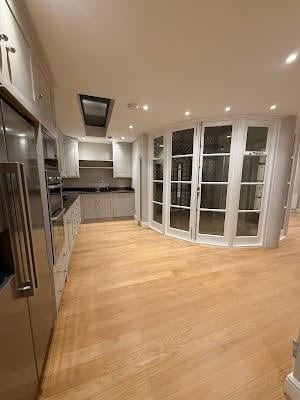
Kitchen Refurbishments
A modern kitchen remains one of the strongest selling points in any London property.
Updating cabinetry, worktops, flooring and lighting can transform the appearance of a home without the building costs associated with a major extension.
Bathroom Upgrades
An updated bathroom or en suite bathroom can significantly improve appeal.
Many buyers actively look for modern, well-maintained bathrooms and are often willing to pay more for properties that require less immediate work.
Decorating and Internal Improvements
Fresh decorating is one of the most cost effective ways to improve a property’s presentation.
Professional decorating can:
- Increase perceived value
- Improve natural light
- Create a more modern appearance
- Help buyers visualise living in the property
Flooring Improvements
New flooring can dramatically improve a home’s appearance while complementing larger projects such as a loft conversion.
Why Property Maintenance Matters
Property maintenance is often overlooked when discussing value, yet it can be one of the most important factors influencing buyer decisions.
Many homeowners focus on creating more space while neglecting essential maintenance issues.
Common problems that can reduce a property’s value include:
- Damp
- Roof repairs
- Cracked plaster
- Water damage
- Poor insulation
- Outdated electrics
Addressing these issues can be just as important as creating additional living space.
At PEBS, we regularly see buyers discouraged by visible maintenance concerns, even when a property has recently undergone major improvement works.
Loft Conversion vs Refurbishment: Which Adds More Value?
Many homeowners assume that a loft conversion automatically provides the greatest return.
In reality, the answer depends on the property’s condition.
A loft conversion can add value by increasing floor area and creating an extra bedroom. However, if the kitchen, bathrooms and décor are outdated, refurbishment may offer a better return.
For example, a property with:
- A modern kitchen
- Refurbished bathroom
- Updated flooring
- Professional decorating
- Good maintenance history
May achieve a stronger sale price than a similar property with a loft conversion but obvious maintenance issues.
The most successful projects usually combine both approaches.
Loft Conversion Cost vs Moving House
When evaluating a loft conversion cost, many homeowners compare the project to the cost of moving house.
Moving to a new property can involve:
- Stamp duty
- Legal fees
- Estate agent costs
- Removal expenses
As a result, a loft conversion is often a more cost-effective way to gain extra space.
Many loft conversions are generally cheaper than purchasing a larger property in the same location.
A loft conversion meets the needs of homeowners who require more space while allowing them to remain in an area they already know and enjoy.
Planning Permission and Building Regulations
Before undertaking a loft conversion, homeowners should understand the relevant planning permission requirements.
Many loft conversions fall under permitted development rights, meaning formal planning permission may not be required.
However, planning permission may still be necessary depending on:
- Property type
- Conservation area restrictions
- Existing roof alterations
- Overall project size
Even where planning permission is not needed, building regulations approval will usually be required.
Building regulations ensure the conversion meets standards relating to:
- Fire safety
- Structural integrity
- Insulation
- Stair access
- Ventilation
Homeowners may also need to consider party wall agreements if the work affects neighbouring properties.
Different Types of Loft Conversion
The most suitable conversion depends on the roof structure, roof pitch and available loft space.
Dormer Conversion
A dormer conversion is one of the most popular choices because it creates more usable space and allows for larger dormer windows, increasing natural light.
Full Loft Conversion
A full loft conversion often involves more structural work but can provide substantial additional space.
Roof Light Conversion
These projects work within the existing roof and may involve fewer alterations to the roof structure.
The Benefits of a Loft Conversion Beyond Value
While increasing value is important, the benefits of a loft conversion extend beyond financial return.
Many homeowners choose a conversion because it provides:
- Extra living space
- More space for remote working
- An additional bedroom
- Greater flexibility
- Improved lifestyle benefits
- Better use of wasted space
A loft conversion adds functionality while allowing homeowners to remain in the property they already love.
Combining Loft Conversions with Refurbishment Delivers the Best Results
The strongest property improvements rarely come from a single project.
A loft conversion could create valuable living space, but combining it with refurbishment and maintenance work often maximises the property’s value.
For example:
- Refurbishing bathrooms
- Updating kitchens
- Decorating throughout
- Improving energy efficiency
- Repairing roofing issues
- Modernising interiors
can help ensure that buyers view the property as a complete package.
Final Thoughts
So, will a loft extension add value to your London property?
In many cases, yes. A loft conversion can add usable space, create an extra bedroom and improve a property’s appeal to buyers.
However, homeowners should not overlook the importance of maintenance and refurbishment. Buyers do not simply assess the loft. They evaluate the condition of the entire property.
At PEBS, we believe the best results come from a balanced approach. Combining a well-designed loft conversion with professional refurbishment, maintenance and renovation work can help maximise both enjoyment and long-term value.
Looking to improve your home? Contact PEBS today to discuss your project and discover how our refurbishment and maintenance expertise can help you create a more attractive, functional and valuable property.
Frequently Asked Questions
How much value does a loft conversion add?
A loft conversion can add between 10% and 20% to a property’s value, although results vary depending on location, demand and build quality.
Do I need planning permission for a loft conversion?
Not always. Many loft conversions fall under permitted development rights, but some projects will still require planning permission.
What is the average loft conversion cost in London?
Loft conversion costs will vary depending on the size of the project, structural work required and the type of conversion chosen.
Is a loft conversion more cost effective than moving house?
For many homeowners, yes. When considering stamp duty and moving costs, a loft conversion is often a more affordable solution.
What type of loft conversion adds the most value?
A well designed loft conversion that creates an extra bedroom and potentially an en suite bathroom often provides the strongest return.
Does refurbishment add value as well?
Absolutely. Kitchen refurbishments, bathroom upgrades, decorating and property maintenance can all significantly increase a property’s value.
How important is property maintenance when selling?
Very important. Buyers often view signs of poor maintenance as future costs, which can negatively affect offers.
Can a loft conversion improve energy efficiency?
Modern insulation and upgraded materials can help reduce energy consumption and lower a property’s carbon footprint.
Disclaimer
This article is provided for general informational purposes only and should not be considered legal, financial, planning or property valuation advice. Planning permission requirements, permitted development rights and property values can change. Professional advice should always be sought before undertaking building work or making investment decisions.